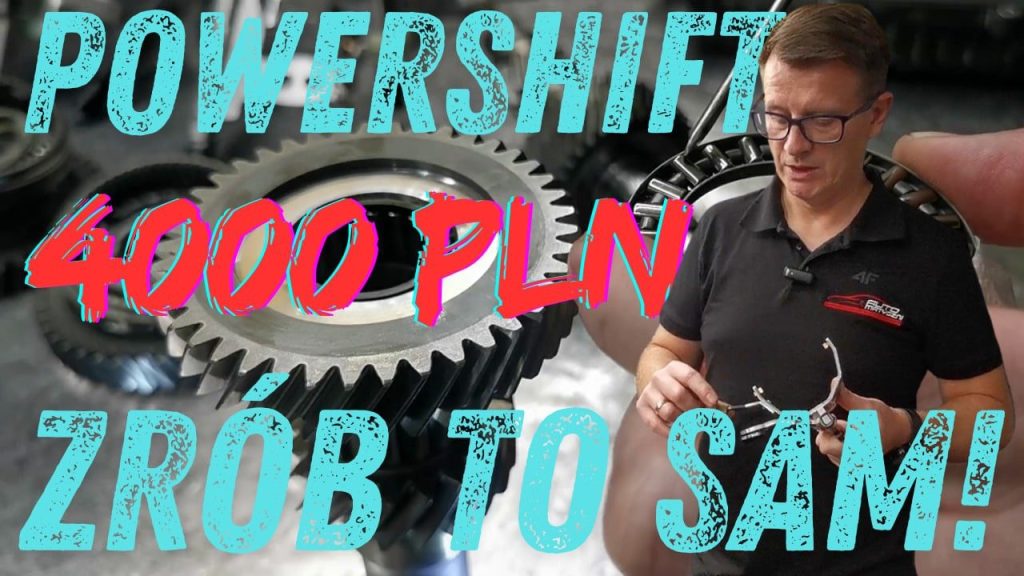
How to repair the mechatronics in a DSG 7 DQ200 transmission: A practical guide and tips for independent mechanics

The DSG 7 gearbox (designated DQ200) is an advanced dual-clutch transmission used in popular Volkswagen Group cars such as Audi, Skoda and Seat. Although it provides smooth gear shifting, its complex design makes it prone to failure. In particular, problems with the mechatronics of the DSG 7 gearbox are among the most common reasons why owners of these cars report to their mechanics. Below is a detailed repair process using a professional DSG repair kit 7 0AM DQ200.
The most common problems with the DSG 7 DQ200 gearbox
- Damage to the pressure accumulator - A common problem is a cracked or micro-cracked pressure accumulator, which leads to oil leaks and system malfunction.
- Oil leakage - The cause of the leaks may be damage to the mechatronics housing, resulting in leaks and leakage through the box vent.
- Problems with seals - Worn or damaged seals lead to leaks and problems maintaining oil pressure.
- Damage to pistons and other hydraulic components - The pistons responsible for mechanical movement can wear out over time, affecting the correct operation of the mechatronics.
How do you diagnose mechatronics faults in a DSG 7 DQ200?
The first step in a repair is to correctly diagnose the problem. One simple way is to check the condition of the breather. If there is excess oil on it, this means that the pressure accumulator is defective and needs to be replaced.
During diagnosis, a diagnostic computer can also be used to identify specific errors in the transmission system. Errors such as P17BF, P0841 and P189C indicate that the problem may relate to the pressure accumulator or other mechatronics components.
Step-by-step process for repairing DSG 7 DQ200 gearboxes
Repairing a DSG 7 can be complicated, but with the right repair kit it can even be done at home. There are two main types of repair kits: set with pressure accumulator and set with replacement hydraulic block.
Repair kit with pressure accumulator
This is a basic kit that allows you to replace a damaged battery with a new, more robust component. The key components of this kit are:
- New pressure accumulator - Made of higher strength materials, eliminating the risk of breakage.
- Steel sleeve - Structural reinforcement element, resistant to high pressure compared to original aluminium parts.
- Gaskets - A set of gaskets to ensure the entire system is leak-proof and prevent oil leaks.
Set with replacement hydraulic block
If the damage is more severe, it is recommended to replace the entire hydraulic block. This block differs from the factory block in that it has a thickened wall, which provides greater resistance to damage. The kit with replacement hydraulic block includes:
- New hydraulic block with thicker wall - Crack-resistant, which eliminates the problem of leaks.
- Gaskets for pistons and solenoid valves - All necessary seals to be replaced during repair to avoid leaks.
- Plate with engraved numbers - Helps to identify components easily and assemble them correctly.
Step by step: fitting the DSG 7 repair kit
- Removing a faulty pressure accumulator - Gently unscrew the damaged battery, paying attention to the rings and springs.
- Fitting a new battery - Fit the new battery in place of the old one, using a spanner to screw it in place and making sure the steel sleeve fits snugly.
- Replacement of gaskets - All gaskets (including the oil sump gasket and piston seals) should be replaced with new ones.
- Filling with new SSF oil - Finally, pour in new SSF oil, using a litre of the manufacturer's recommended fluid or a replacement from Ravenol to ensure optimum lubrication.
- Adaptation of mechatronics - After installation, carry out the adaptation procedure so that the whole thing works correctly.
Key tips for repairing DSG 7 DQ200
- Use high quality components - For best results, use original repair kits or replacements from reputable manufacturers, such as GRS.
- Remember gaskets and filters - Worn gaskets are a common cause of problems in the DSG 7. Change all gaskets and the oil filter every time.
- Take care during installation - The pressure accumulator requires precise installation, so tighten threads and hydraulic components carefully to avoid damage.
Which DSG 7 DQ200 repair kit should I choose?
Both kits are effective, but the choice depends on the extent of the damage and the budget. If the damage is minor, a kit with a pressure accumulator will be sufficient and cheaper. For severe damage or multiple failures, it is better to choose a kit with a replacement hydraulic block, which is more durable.
Summary - Why invest in a DSG 7 DQ200 mechatronics repair?
Investing in a DSG 7 0AM DQ200 repair kit is an excellent way of restoring mechatronics performance and ensuring that your car has a long, trouble-free life. Repairing with the right kits eliminates the problems of oil leaks, loss of pressure and leaks that are common in this transmission.le as ZF 8HP, DSGwhether Mercedes 722.9 perform excellently if they are regularly serviced and properly cooled. In short, the key to extending the life of an automatic transmission is cooling, regular oil changes and avoiding overloading. An automatic transmission, cared for and properly serviced, can operate without problems for many years.